How Global Power Really Works: A Practical Guide to Understanding Modern Geopolitics

Most people talk about world politics like it’s a chessboard. It isn’t. It’s messier, driven by incentives, personalities, history, and the quiet machinery of economics. If you want to understand why countries act the way they do, you need a framework that cuts through headlines and gets to underlying forces.
The Myth of Simple Rivalries
Media narratives love clean rivalries: East vs West, democracy vs authoritarianism, rising powers vs declining ones. Reality doesn’t cooperate. Countries that compete in one domain often cooperate in another. Trade flows between rivals, intelligence is shared quietly, and alliances shift depending on context.
The key insight: geopolitics is not ideological purity. It’s strategic convenience.
Geography Still Rules Everything
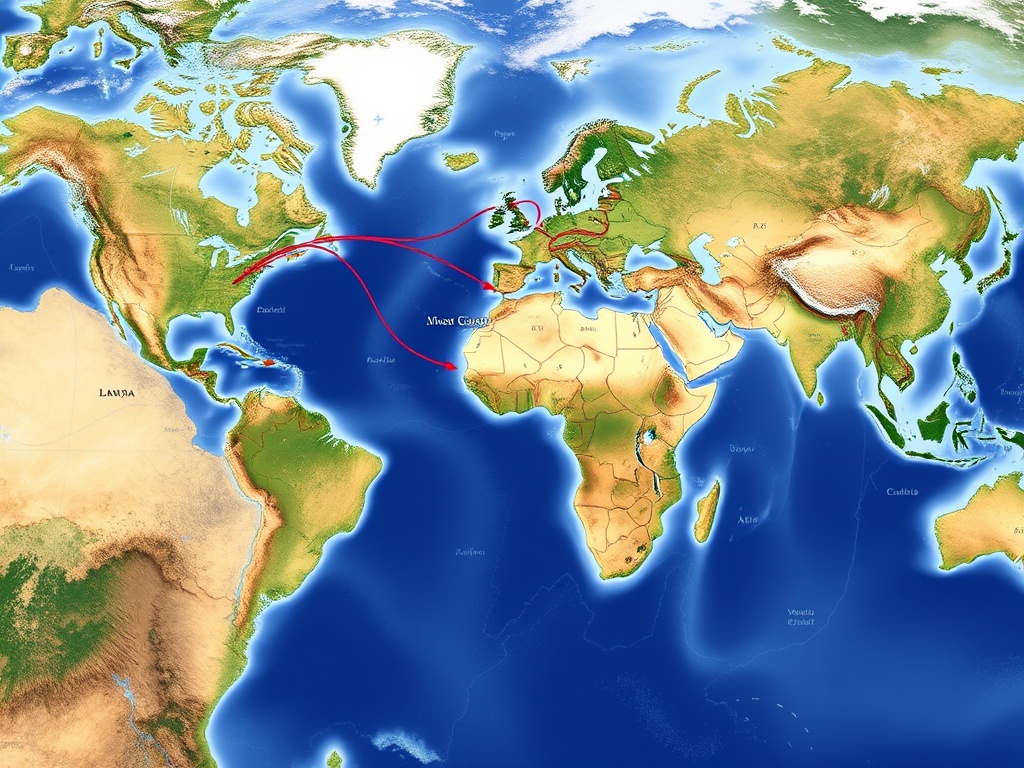
Despite technology, geography remains stubbornly relevant. Oceans, mountains, and chokepoints shape strategy more than speeches ever will. Countries with access to warm-water ports behave differently than landlocked states. Nations surrounded by rivals prioritize defense; island nations focus on trade and naval power.
If you understand geography, you can predict constraints. And constraints explain behavior.
Economics Is the Real Battlefield

Military power gets attention, but economic leverage does most of the work. Sanctions, trade agreements, supply chain control—these tools shape outcomes long before armies move.
Consider how rare earth minerals, semiconductor production, and energy pipelines influence diplomacy. Control the inputs, and you influence the outcomes.
Institutions: Slow, Boring, Powerful
International institutions are often dismissed as ineffective. That’s partly true—but also misleading. Their power is subtle. They set norms, create expectations, and establish frameworks that countries operate within.
Organizations rarely force action, but they shape the menu of acceptable options. Over time, that matters.
Domestic Politics Drives Foreign Policy

Leaders don’t operate in a vacuum. Elections, public opinion, economic pressures, and elite interests all shape decisions. A government facing internal instability may take aggressive external actions—not for strategy, but for survival.
Understanding domestic pressures often explains international behavior better than any official statement.
The Role of Narrative and Perception

Perception can be as powerful as reality. Nations craft narratives about themselves and others—sometimes to justify actions, sometimes to deter rivals.
Information warfare, propaganda, and strategic communication are no longer side tools. They are central to how power is exercised.
Alliances Are Conditional, Not Permanent

History is filled with surprising partnerships and sudden betrayals. Alliances are built on shared interests, not shared values—and interests change.
This doesn’t mean alliances are meaningless. It means they are dynamic. Stability depends on continued alignment, not past agreements.
Technology Is Rewriting the Rules
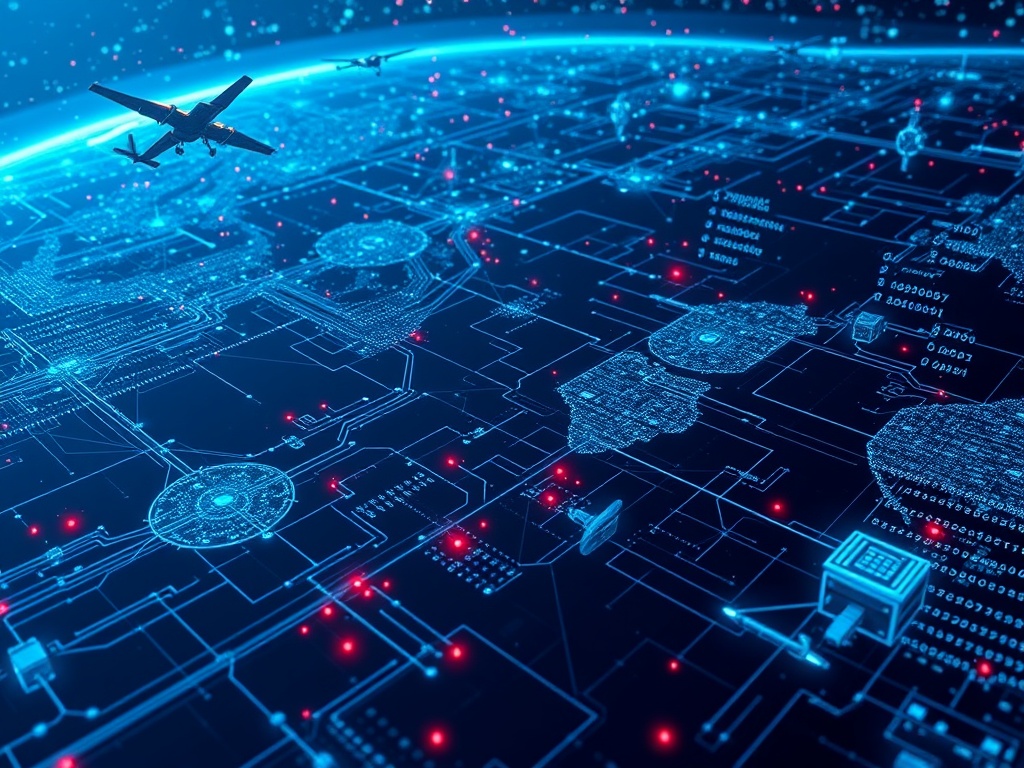
Cyber capabilities, artificial intelligence, and surveillance technologies are reshaping what power looks like. Influence can now be exerted without physical presence. A well-placed cyberattack can have strategic impact without a single soldier crossing a border.
This introduces new vulnerabilities—and new forms of deterrence.
Energy and Resources: The Old Game Isn’t Over

While the world talks about renewable energy, traditional resources still matter. Oil, gas, and strategic minerals continue to shape alliances and conflicts. The transition to new energy sources adds another layer of competition rather than replacing the old one outright.
How to Think Like a Strategist

If you want to understand global politics without getting lost in noise, use this simple framework:
- Ask what the country wants — security, growth, influence.
- Identify constraints — geography, economy, domestic politics.
- Look at available tools — diplomacy, trade, military, information.
- Watch for trade-offs — every decision has a cost.
This approach cuts through rhetoric and focuses on incentives.
Why Predictions Are So Often Wrong

Forecasting geopolitics is notoriously difficult. Systems are complex, actors are unpredictable, and small events can trigger large consequences. Analysts often overestimate rationality and underestimate emotion and miscalculation.
The better approach isn’t prediction—it’s preparation. Understand the range of possibilities and the forces at play.
The Bottom Line
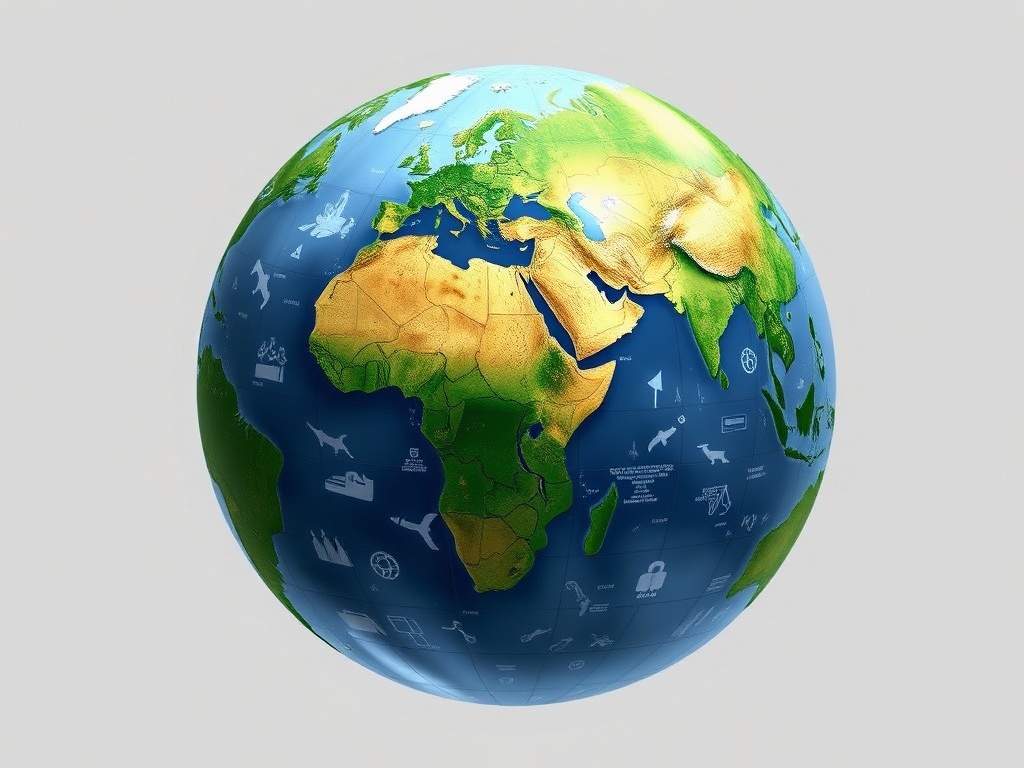
Global power isn’t about a single factor. It’s the interaction of geography, economics, politics, technology, and perception. Miss one piece, and the picture falls apart.
Once you start seeing these layers, headlines become easier to decode. You stop reacting to events and start understanding them.